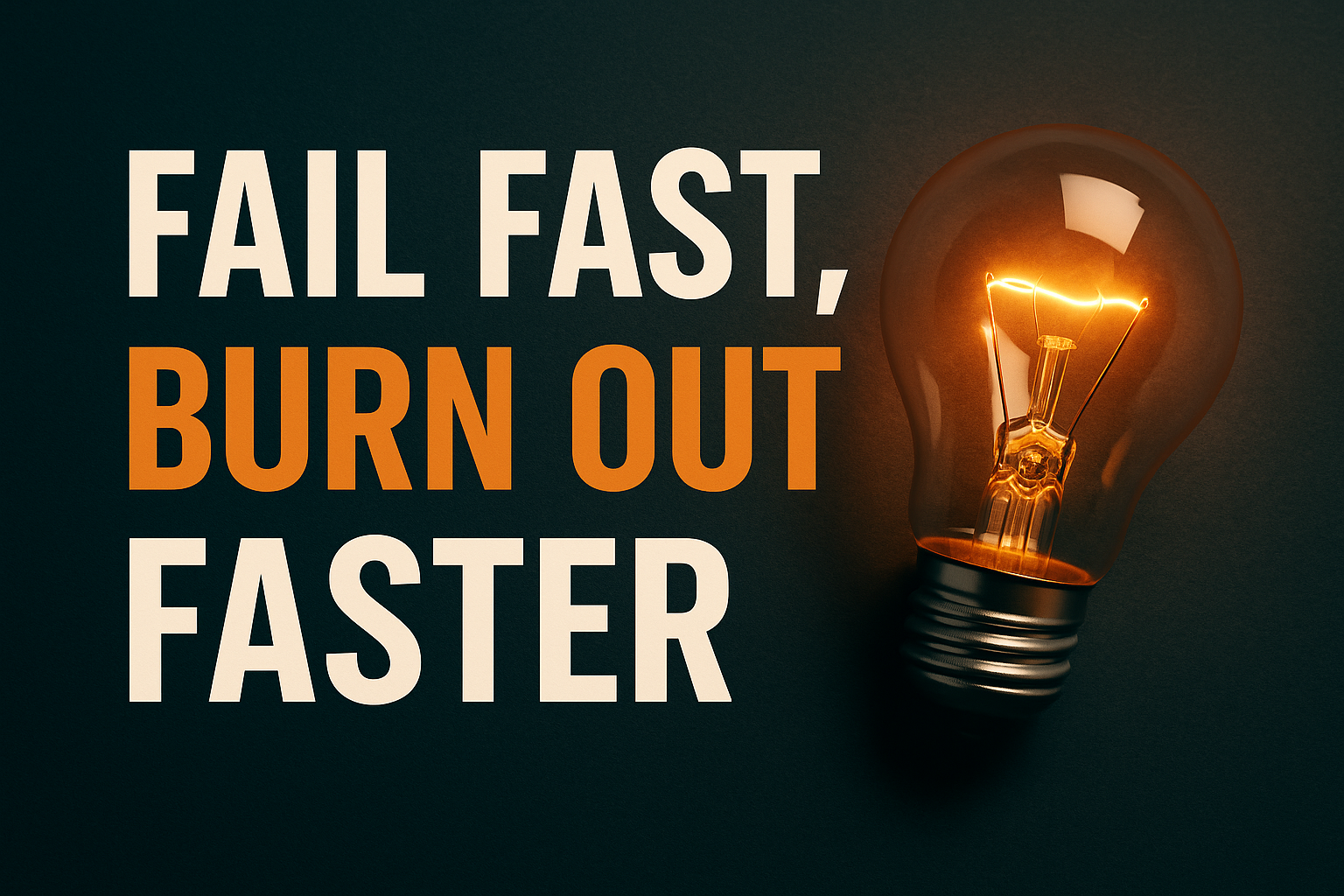
Once upon a time, the word “innovation” had weight. It meant something bold. Useful. Transformative. Something that changed how we worked, how we communicated, how we lived.
Now it’s on everything.
A coffee machine that connects to Wi-Fi? Innovative.
A chatbot with a new name? Revolutionary.
A calendar app that automatically color-codes meetings? Disruptive.
It’s exhausting.
We’ve reached a point where calling something “innovative” is less about actual function and more about how good it’ll sound in a press release or a pitch deck. The result? We’ve grown numb. When everything is a revolution, nothing really moves us anymore.
The Hype Economy
Let’s be honest: part of the problem is speed. The tech world doesn’t like stillness. Every quarter needs to show progress. Every product needs to stand out. And in that rush, we start dressing up tiny changes as monumental shifts — just to keep up the appearance of forward motion.
A new button placement becomes a “reimagined experience.”
An algorithm tweak? “AI-powered insight.”
A redesign? “Version 2.0 of the future.”
And because we’re all swimming in it — users, teams, founders — we begin to lose our ability to tell the difference between marketing gloss and meaningful change.
The Human Cost
This isn’t just about eye-rolling headlines.
Behind every “breakthrough” are real people — engineers, designers, marketers — running on caffeine and pressure to deliver the next headline feature. Internally, product teams feel they can’t just make something better — they have to make it look brand new. Every time.
That wears people down.
And for users? Fatigue sets in differently. They stop reading update notes. They skip new features. They lose trust. Not because the tools are bad — but because they’ve been burned too many times by promises that didn’t deliver.
Quiet Innovation Still Exists
Here’s the irony: real innovation is still happening. But it’s usually not the loud kind.
It’s a medical device that becomes easier for patients to use.
It’s accessibility tools that don’t make headlines but change lives.
It’s an app that crashes less often, loads faster, and just quietly does its job better.
The problem is, we’ve built a system where quiet wins don’t get attention. And because of that, the pressure to perform innovation often outweighs the desire to practice it.
So What Do We Do?
Maybe we stop demanding constant reinvention.
Maybe we let good ideas breathe.
Maybe we get comfortable with the idea that some progress is slow — and that’s okay.
Because the truth is: progress doesn’t always look like a demo onstage. Sometimes it looks like fewer bugs. Or better support. Or just… things working the way they’re supposed to.
Maybe that’s not sexy. But it’s real.
And in a time where noise is everywhere, realness might be the most innovative thing of all.